Edward Giobbi (1926-2026)
June 2026
With influences ranging from plein-air Impressionism to Renaissance architecture to Italian Futurism, Edward Giobbi calls himself finally, a Symbolist. Speaking less to style than intention, this designation represents Giobbi’s search for Beauty and Truth as universal objectives pursued through a lifetime of intellectual and physical rigor.
Born in Waterbury, Connecticut to Italian immigrant parents during the Great Depression, conscripted to the American army at eighteen, Giobbi came of age in circumstances that instilled in him a profound respect for, and necessitated, resilience. His formation as an artist was equally rigorous. Studying Impressionism under a former student of Monet, he developed a sensitivity to light and color that would persist across every subsequent medium. At the Arts Student League, he examined line and form to solidify his skill as a draftsman. Traveling to Florence, he learned ancient techniques like fresco and egg tempera, and encountered Renaissance architecture in person.
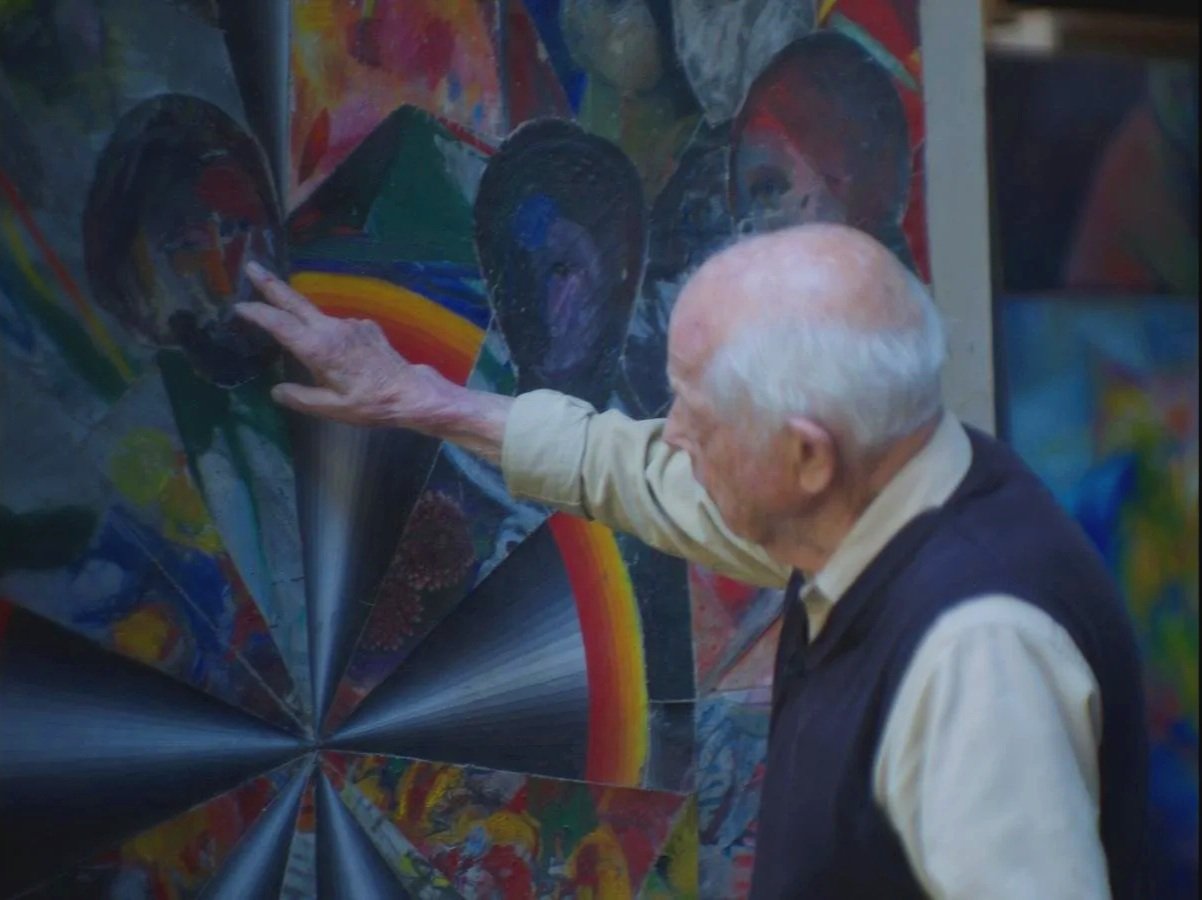
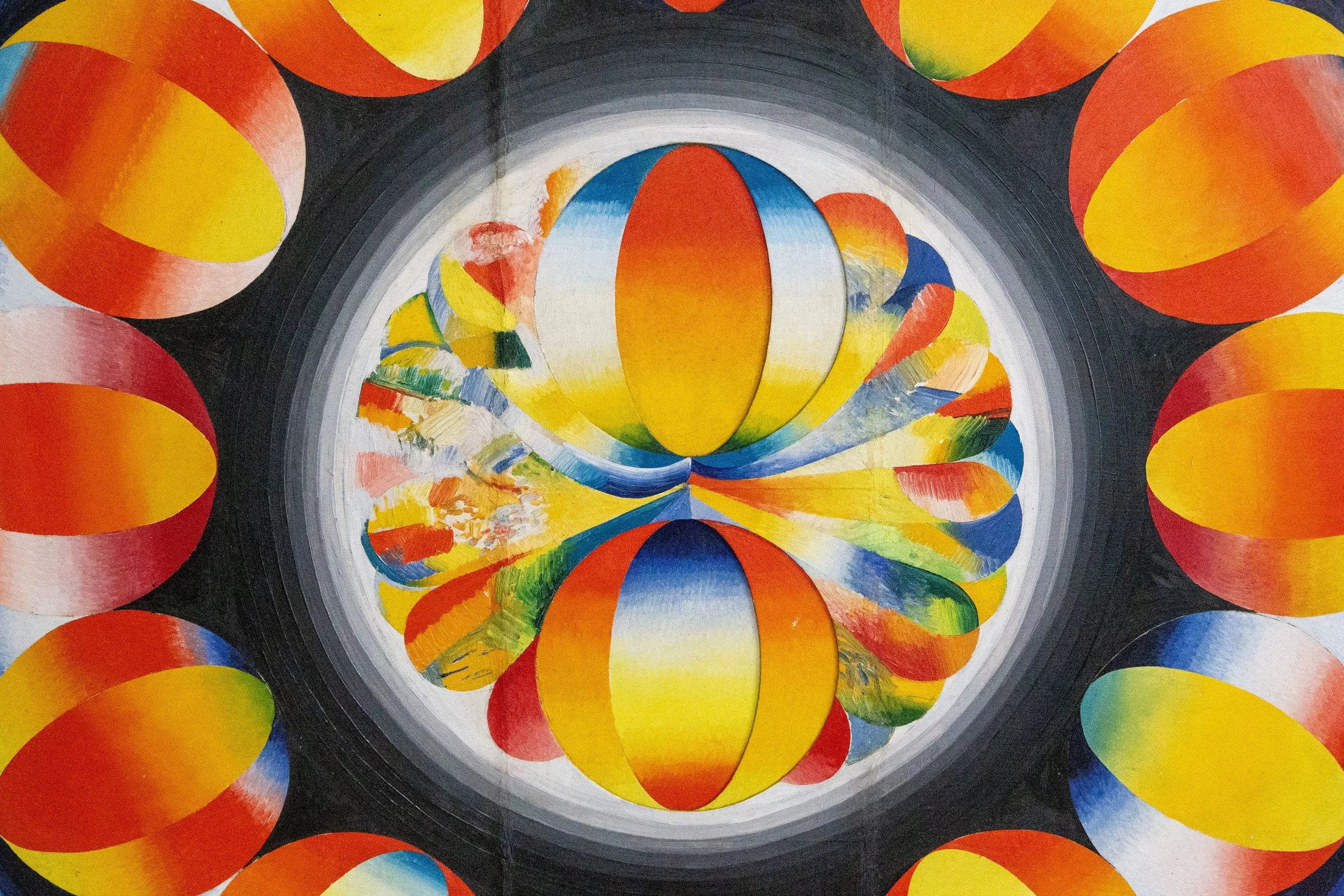
Inspired by the golden ratios and “divine” harmony of the Cathedrals in Florence, Giobbi translated three-dimensionality into large-scale geometric canvases, by hand, in his studio in Katonah, New York. The scholar who understood proportion became the craftsman who built it, who then became the painter who filled it with color. His intellectual rigor was inseparable from his labor. With this governing logic, Beauty and Truth are not found through personal disclosure but through the dutiful application of accumulated knowledge and practice, with an ever-persistent search for something larger.
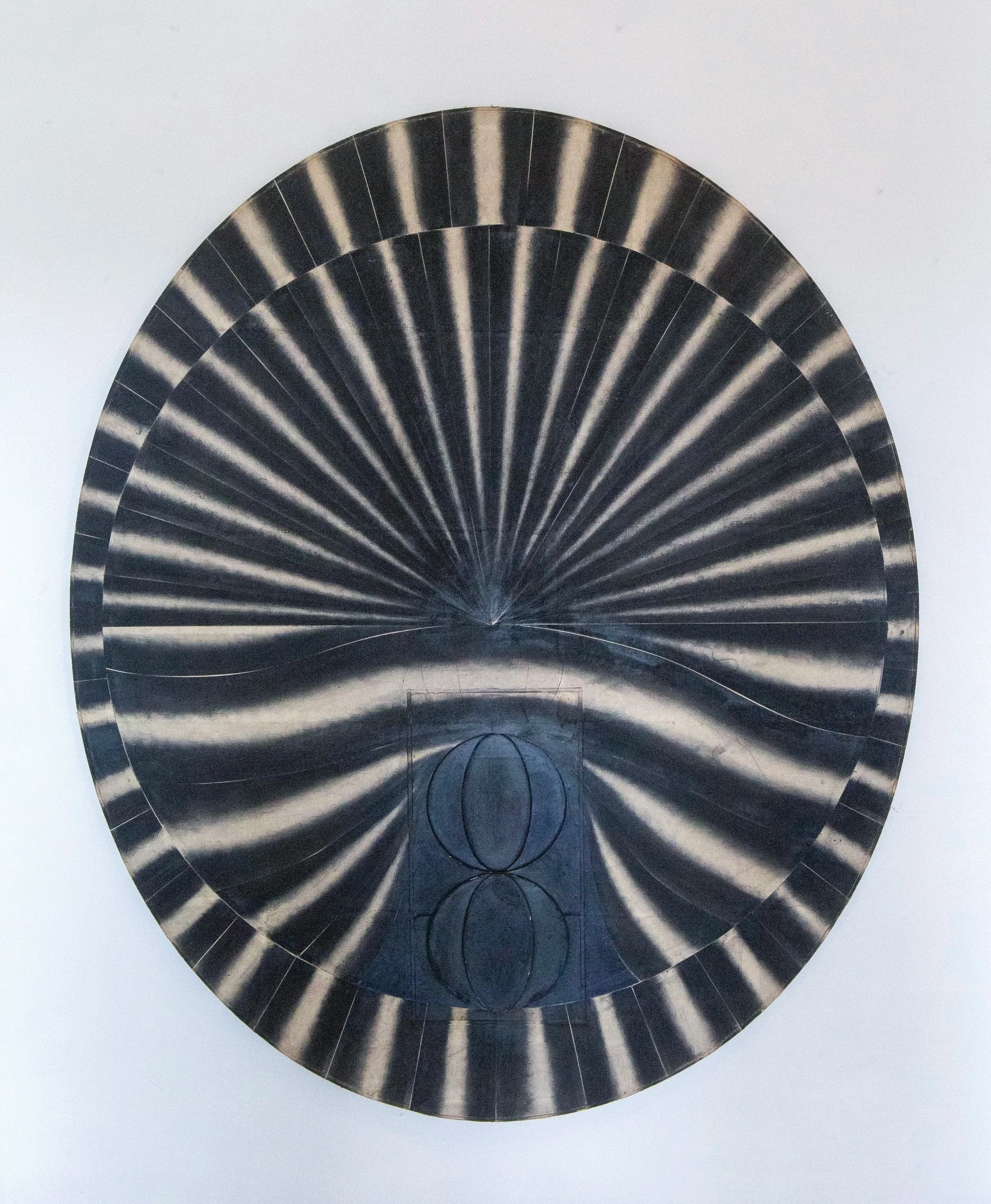
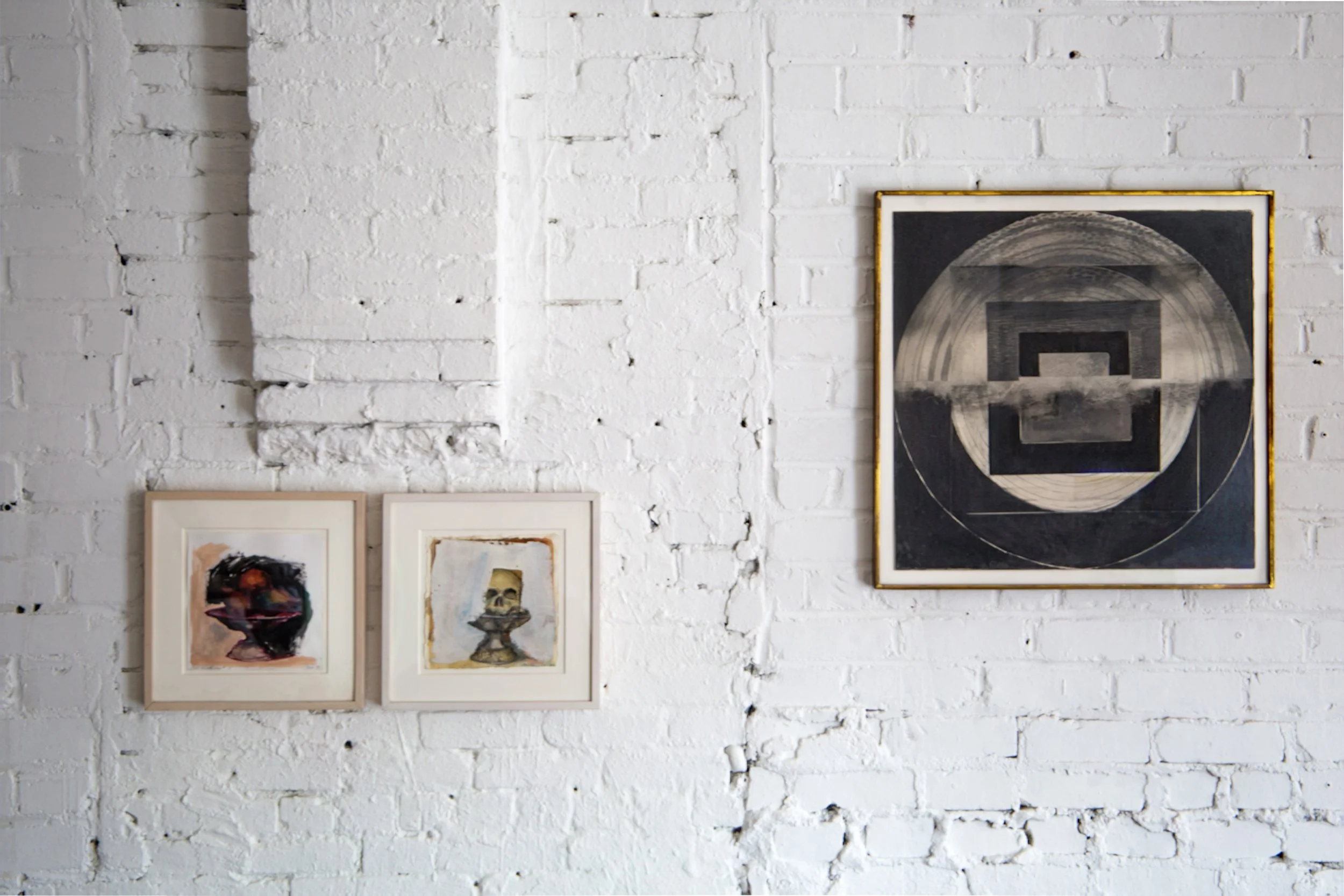
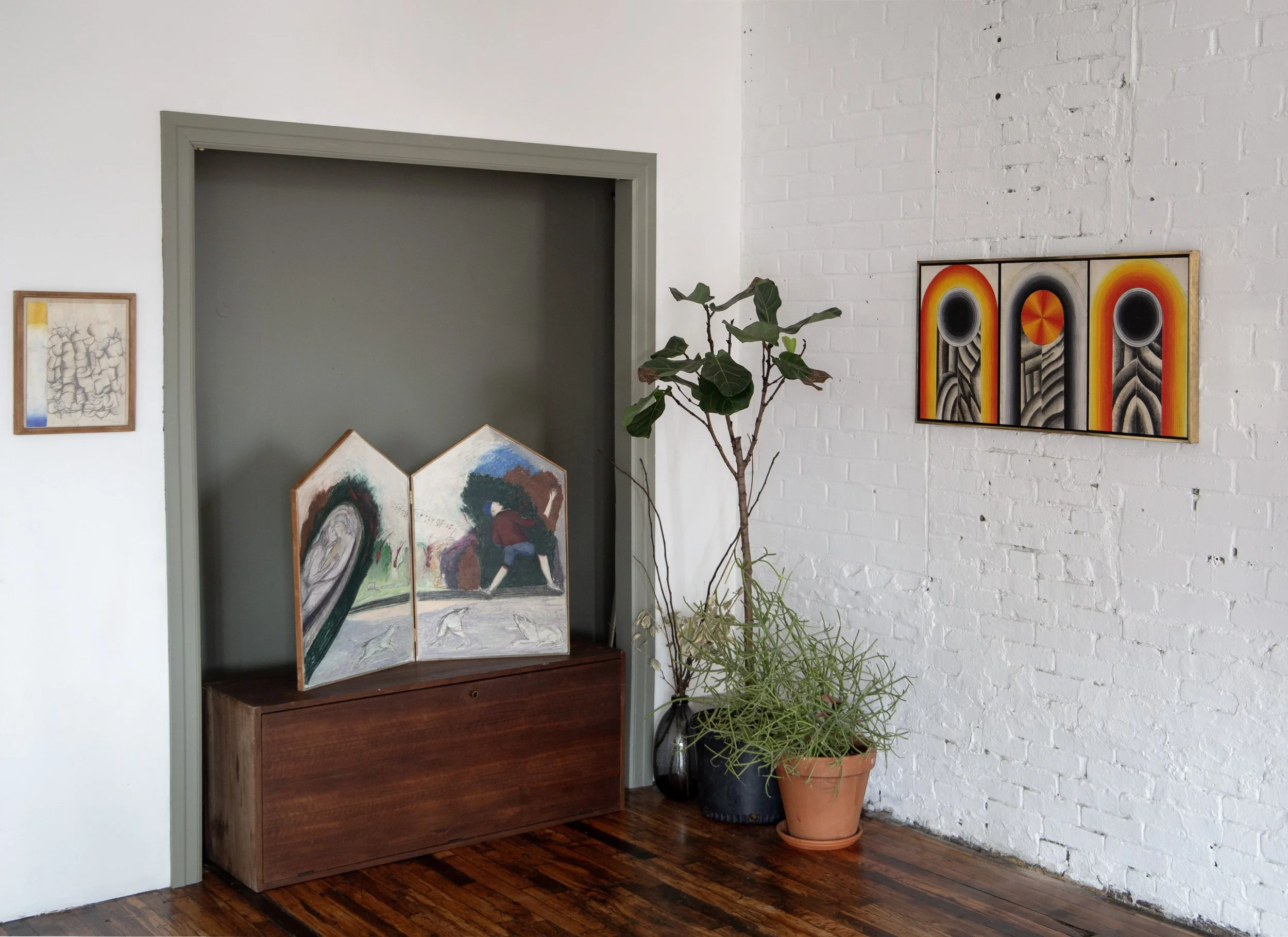
Giobbi took seriously the oldest hierarchy in Western painting, that History, myth, and architecture are the most worthy subjects. He held to that conviction for a century, unfashionably by today's standards. Whether figurative or abstract, his paintings showcase an ambition to express the universal, supported by a commitment to his artistic practice over self-expression. In devoting himself so completely to the tradition of Master Artists, Giobbi produced a body of work of extraordinary discipline; one that remains, in certain ways, deliberately sealed.
Edward Giobbi: 1926-2026 is an opportunity to see a lifetime of artistic practice, persistent and rigorous, in search of the universal. What the show offers is something rare: an unobstructed view of an artistic life lived without compromise. To encounter this body of work is to watch an intellectual and aesthetic inquiry, imbued, although not entirely purposefully, with personal storytelling and a narrative of resilience.